Occupational Therapy

Expert guidance on building the skills your child needs to participate in everyday life with confidence and independence.

The Importance of Occupational Therapy

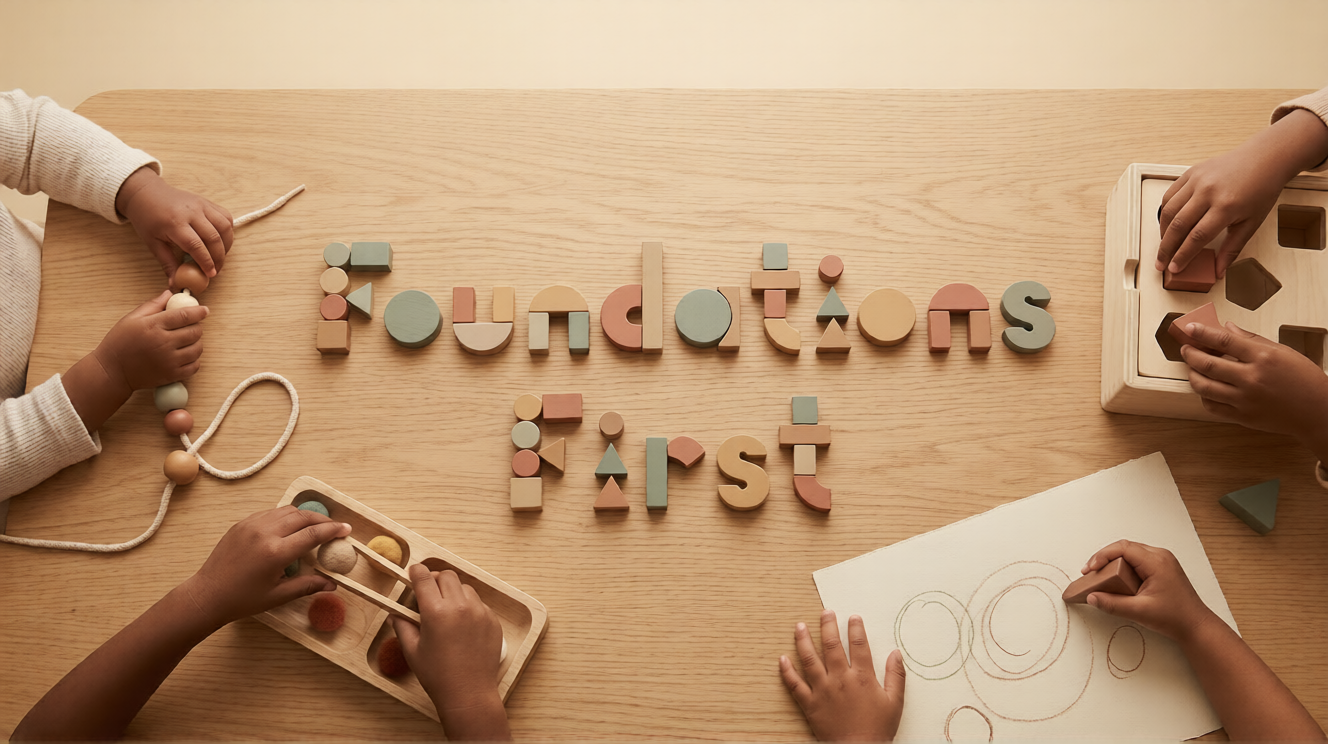
Occupational Therapy – Foundations First

Confident in their body.
Capable in their world.

Every child deserves to feel confident in their own body and capable in their everyday world. Occupational therapy helps children develop the skills they need to participate in daily life, from getting dressed in the morning to writing at school, playing with friends, and managing their emotions.

Self-care
Dressing, eating, toileting, and everyday routines
Fine motor
Handwriting, cutting, drawing, and hand strength
Sensory
Processing sights, sounds, textures, and movement
Regulation
Managing emotions, attention, and behaviour
When a child struggles with sensory processing, fine motor skills, coordination, or self-regulation, it can affect every part of their day. Simple tasks that other children do without thinking can become overwhelming, frustrating, or exhausting.
OT across the whole day
Tap each time of day to see how occupational therapy supports your child from morning to bedtime.
7:00 AM Morning routine
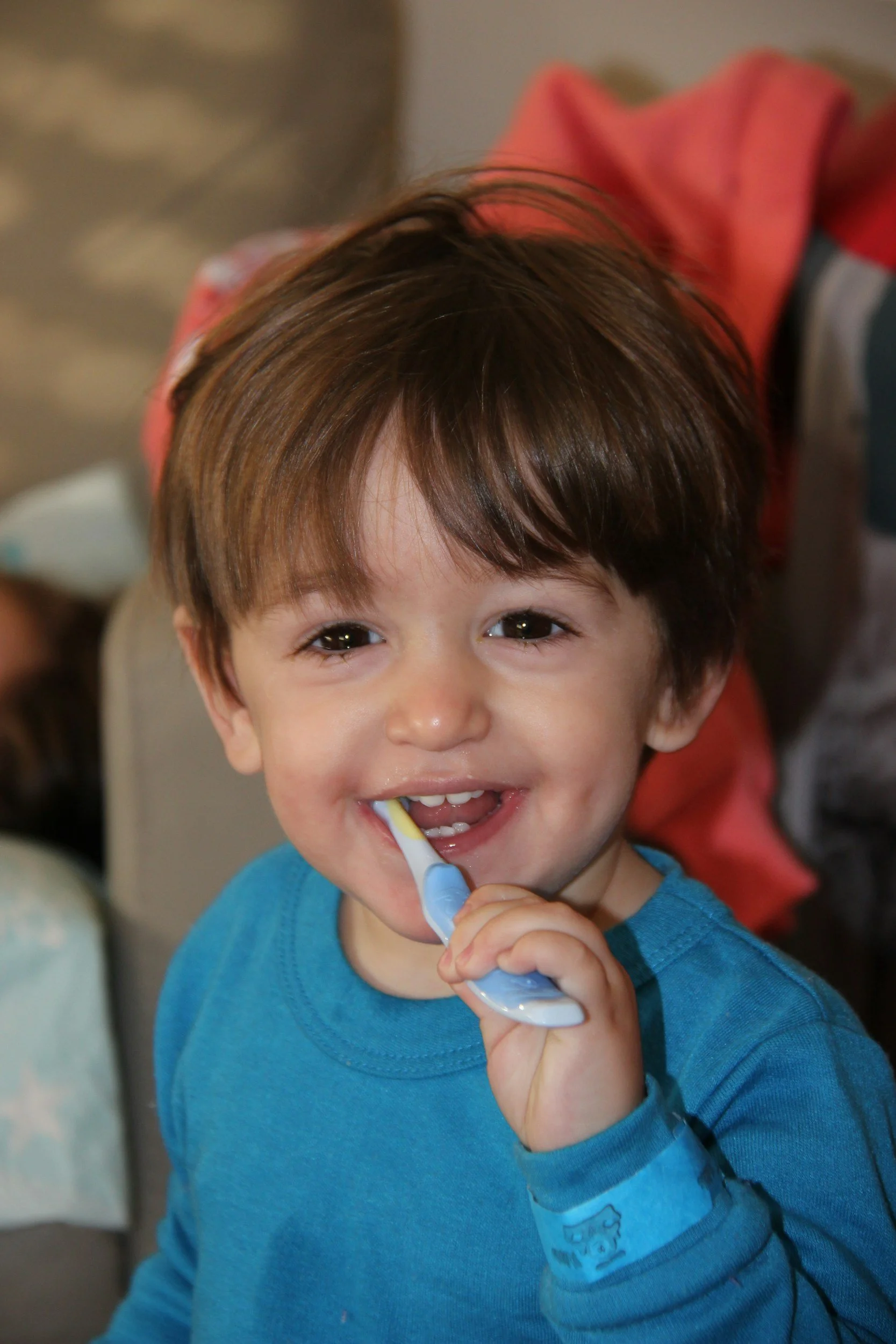
Getting dressed, brushing teeth, eating breakfast. For some children, these everyday tasks feel overwhelming. OT helps build the skills to start the day with confidence.
Fine motor
Buttons, zips, and tying shoelaces
Self-care
Brushing teeth, washing face, toileting
Sensory processing
Tolerating clothing textures and tags
Regulation
Managing morning transitions calmly
8:30 AM Getting to school
Carrying a bag, getting in and out of the car, navigating a busy drop-off zone. These transitions require coordination, body awareness, and emotional regulation.
Gross motor
Balance, coordination, and body awareness
Regulation
Managing anxiety around transitions
Motor planning
Sequencing steps to get ready
Sensory processing
Coping with noise and busy environments
9:00 AM In the classroom
Sitting still, holding a pencil, following instructions, and staying focused. The classroom demands fine motor, sensory, and self-regulation skills every minute of the day.
Handwriting
Pencil grip, letter formation, and spacing
Attention
Staying focused and filtering distractions
Fine motor
Cutting, pasting, and using tools
Sensory processing
Sitting still and managing sensory input
11:00 AM Playground
Running, climbing, catching a ball, and playing with friends. The playground is where gross motor skills, social confidence, and sensory regulation are tested in real time.
Gross motor
Running, jumping, climbing, and catching
Social skills
Joining in, sharing, and taking turns
Body awareness
Knowing how much force to use
Regulation
Managing excitement and frustration
3:30 PM After school
Unpacking their bag, having a snack, doing homework, and unwinding. After a full day of effort, children need support to transition and regulate.
Self-care
Using utensils, opening containers
Executive function
Organising tasks and managing time
Regulation
Winding down after a big day
Fine motor
Homework, drawing, and craft
7:00 PM Bedtime
Bath time, getting into pyjamas, brushing teeth, and settling for sleep. A calm bedtime routine relies on self-care skills, sensory regulation, and emotional safety.
Self-care
Bathing, dressing, and grooming independently
Sensory processing
Tolerating water, toothbrush textures
Regulation
Calming the body and mind for sleep
Routine
Following a predictable sequence
01
Whole-team approach
Our OTs work alongside speech, behaviour support, nutrition, and psychology to support your child across every area of development.
02
Skills in context
We focus on building skills where they matter most: at home, at school, and in the community, not just in a clinic room.
03
No skill in isolation
Because a child's goals are connected, their therapy should be too. Every plan is coordinated with Foundations First's wider team.
No skill exists in isolation, and neither should therapy
At Foundations First, your child's OT goals are supported across every discipline, because real progress happens when everyone works together.

Occupational Therapy in Action

  • Play-Based Therapy

    Play-Based Therapy

    Structured, purposeful play activities designed to build sensory, motor, and regulation skills in a fun and engaging way.

  • Picky Eaters vs Problem Feeders

    Sensory Integration

    Activities that help children process and respond to sensory input, from swinging and climbing to tactile play and deep pressure work.

  • Fine Motor Activities

    Fine Motor Activities

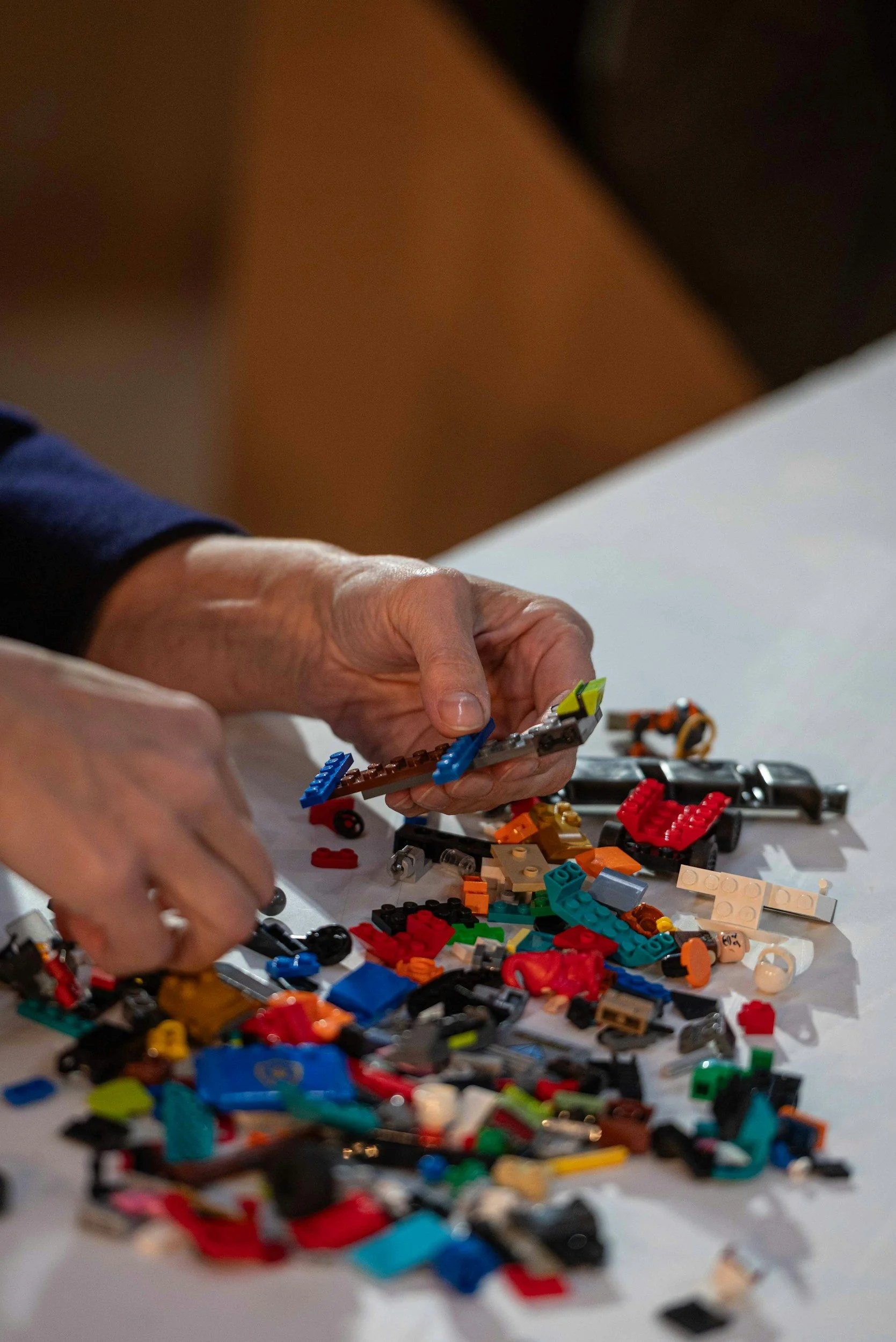
    Building hand strength, coordination, and control through activities like threading, cutting, drawing, and manipulating small objects.

  • Gross Motor & Movement

    Developing balance, coordination, and body awareness through obstacle courses, ball games, climbing, and movement-based play.

  • Handwriting & School Skills

    Practising pencil grip, letter formation, and classroom readiness through fun, structured activities that prepare children for learning.

  • Daily Living Practice

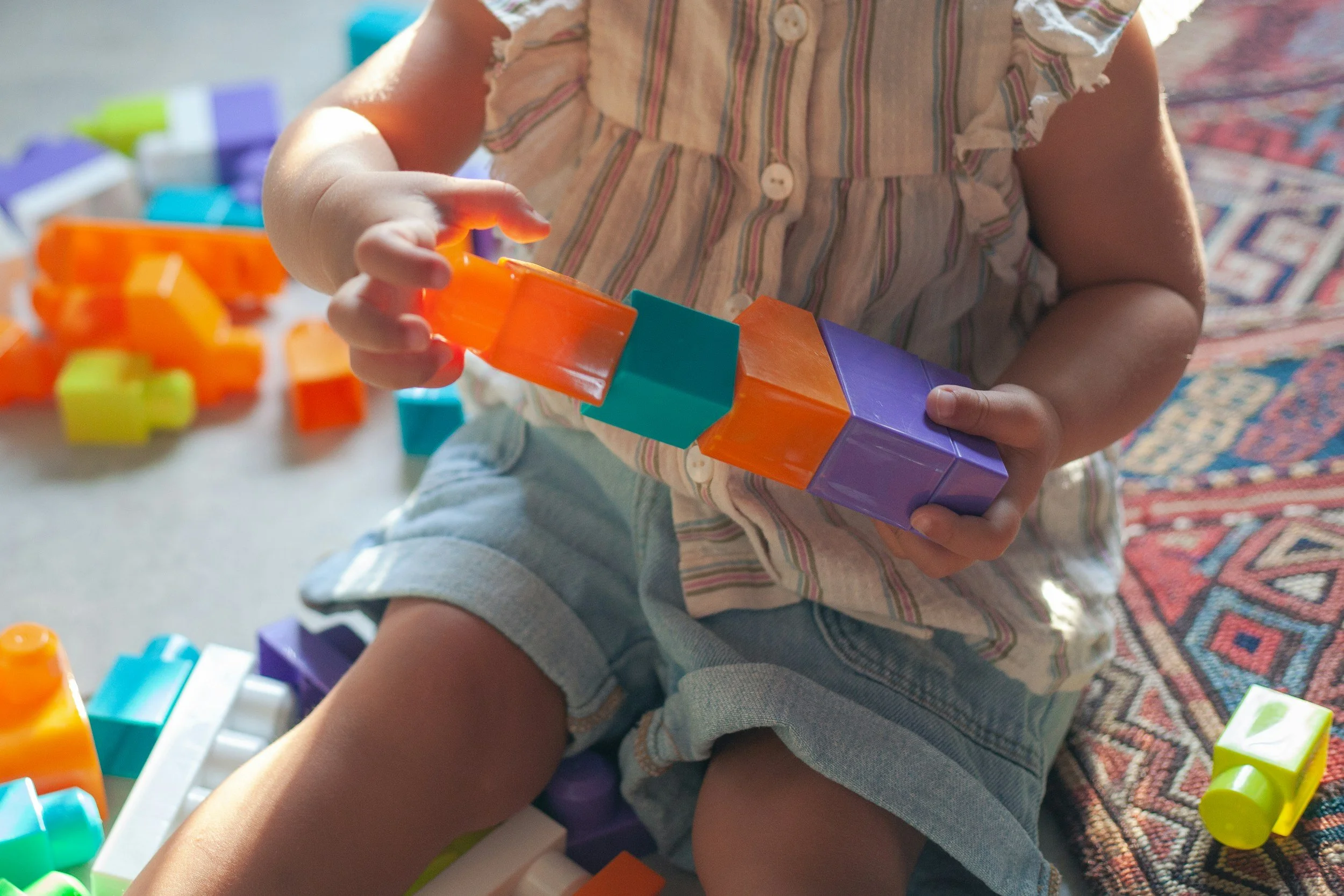
    Practising real-life tasks like dressing, using utensils, brushing teeth, and packing a bag to build independence and confidence.

Signs Your Child May Benefit from OT
Fine motor & handwriting
Has difficulty holding a pencil or using scissors
Struggles with handwriting, spacing, or letter formation
Struggles with buttons, zips, or tying shoelaces
Sensory processing
Avoids messy play or is sensitive to textures, sounds, or smells
Constantly seeks movement, crashing, or spinning
Becomes easily overwhelmed in busy or noisy environments
Gross motor & coordination
Finds it hard to coordinate running, jumping, or catching
Appears clumsy or bumps into things often
Avoids playground equipment or physical activities
Self-care & daily living
Struggles with getting dressed independently
Has difficulty with brushing teeth, toileting, or bathing
Struggles to use utensils or eat independently
Regulation & attention
Has trouble sitting still or staying focused in the classroom
Has frequent meltdowns during transitions or changes in routine
Has difficulty calming down or regulating their emotions
Sound familiar?
If you recognise any of these signs, your child may benefit from occupational therapy. Get in touch and we can talk through your concerns.

Signs your child may benefit

Goals of Occupational Therapy
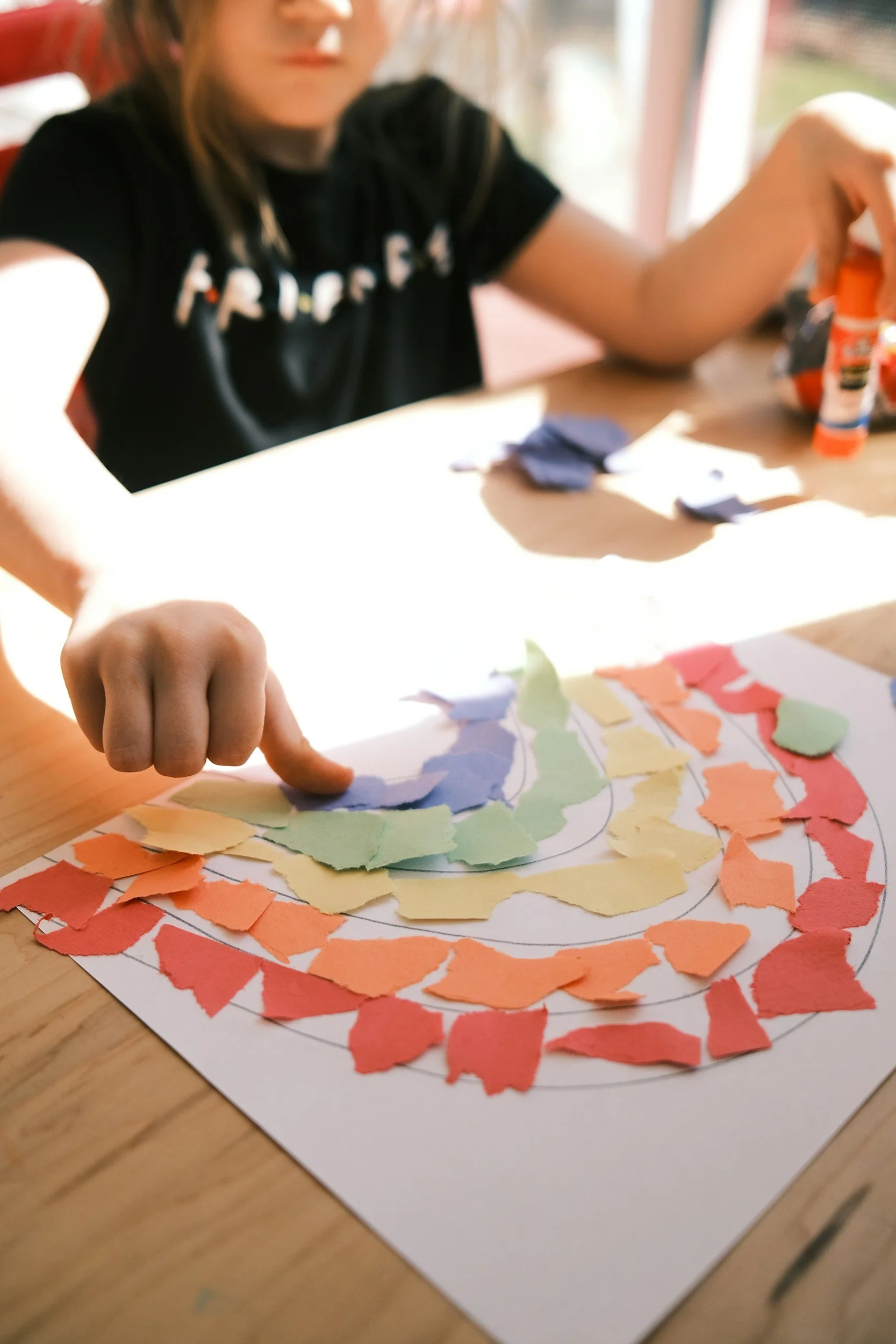
Goals of Occupational Therapy
01
Sensory Processing
Helping your child regulate and respond to sensory input so they can engage comfortably with their environment.
02
Fine Motor Skills
Developing hand strength, coordination, and control for tasks like writing, cutting, dressing, and using utensils.
03
Gross Motor & Coordination
Building balance, body awareness, and physical confidence for movement, play, and everyday activities.
04
Self-Care & Independence
Supporting your child to manage daily tasks like dressing, grooming, toileting, and mealtimes on their own.
05
Emotional Regulation
Equipping your child with strategies to understand and manage their emotions, cope with transitions, and feel calm and confident.
06
School Readiness & Participation
Building the foundational skills your child needs to sit, focus, write, and engage in the classroom with confidence.