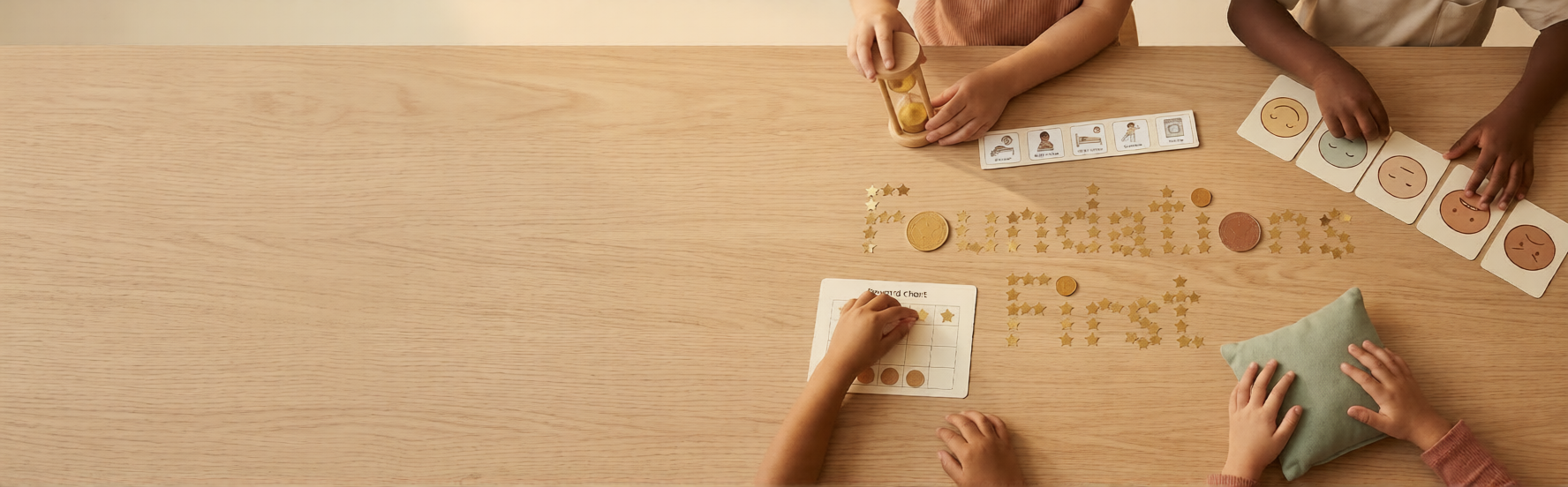
Positive Behaviour Support


Evidence-based strategies to understand the reasons behind challenging behaviour, build positive skills, and support your child and family to thrive in everyday life.

The Importance of Positive Behaviour Support

The Importance of Positive Behaviour Support

Behaviour is like an iceberg. What you see on the surface is only a small part of the story. Tap below the waterline to understand what's really going on.

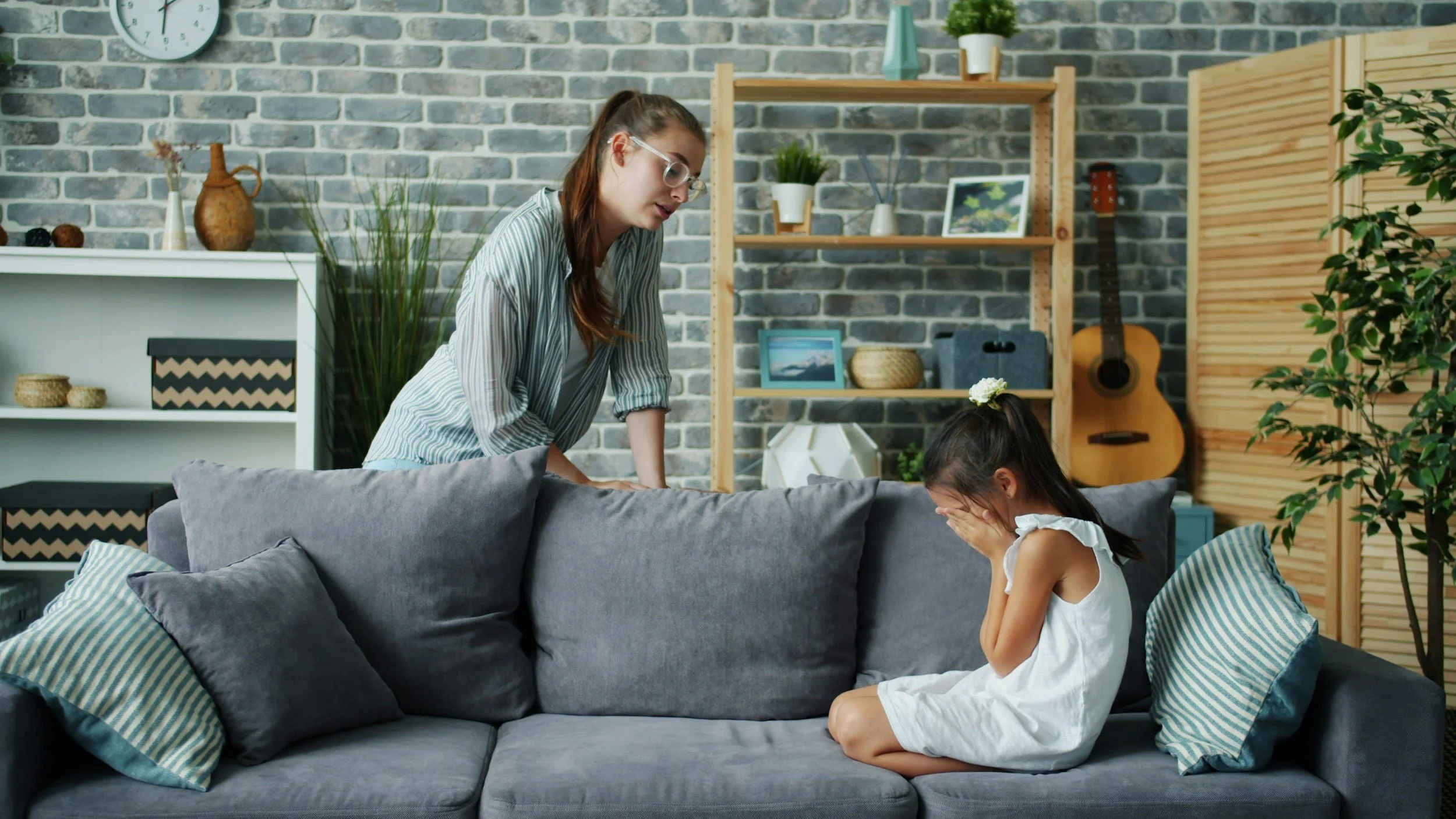
Meltdowns
Screaming, crying, or losing control over seemingly small things
Aggression
Hitting, kicking, throwing, or lashing out at others
Refusal
Refusing to follow instructions, participate, or transition between activities
Running away
Bolting, leaving the room, or trying to escape from situations
Withdrawal
Shutting down, going quiet, or refusing to engage with anyone
Repetitive behaviours
Rigid routines, repetitive actions, or extreme reactions to change
WATERLINE
01 Sensory overload
The environment may be too loud, too bright, too crowded, or too unpredictable. The child's nervous system becomes overwhelmed and they react the only way they know how.
How PBS helps
We identify sensory triggers and build environmental modifications, calming strategies, and sensory breaks into the child's daily routine.
02 Communication difficulties
When a child can't express what they need, how they feel, or what's wrong, frustration builds. Behaviour becomes their language.
How PBS helps
We teach alternative communication strategies and work with speech pathologists to give the child functional ways to express their needs.
03 Anxiety and fear
What looks like defiance or refusal is often driven by anxiety. The child may be afraid of failure, uncertainty, new situations, or losing control.
How PBS helps
We build predictable routines, visual supports, and gradual exposure strategies that reduce anxiety and help the child feel safe.
04 Unmet needs
A child may be hungry, tired, in pain, or seeking attention and connection. When basic needs aren't met, behaviour changes.
How PBS helps
We look at the whole picture, working with families and our nutrition, OT, and psychology teams to ensure the child's physical and emotional needs are addressed.
05 Lack of skills
Children can't use skills they haven't been taught. If a child doesn't know how to wait, share, transition, or regulate their emotions, their behaviour reflects that gap.
How PBS helps
We explicitly teach replacement behaviours and build the skills the child needs through practice, reinforcement, and consistent support across all environments.
06 Environment and routine
Unpredictable environments, inconsistent expectations, or sudden changes in routine can trigger challenging behaviour in children who need structure and clarity.
How PBS helps
We help families, schools, and carers create consistent routines, clear expectations, and supportive environments that set the child up for success.
Every behaviour is telling you something
Positive Behaviour Support helps families understand what's underneath and build the skills, strategies, and environment for lasting change.

Every behaviour has a reason behind it. When a child acts out, withdraws, or struggles to cope, they are communicating something they don't yet have the skills or words to express. Positive Behaviour Support focuses on understanding the why, not just managing what we see on the surface.

For many children, challenging behaviour is not a choice. It may be driven by sensory overload, difficulty communicating, anxiety, unmet needs, or a lack of strategies to cope with everyday demands. Without the right support, these patterns can escalate and affect the child's relationships, learning, and family life.

At Foundations First, our behaviour support practitioners work alongside our psychologists, speech pathologists, OTs, nutritionists, and support workers. Because behaviour doesn't happen in isolation, and the most effective support comes from a team that understands the whole child.

PBS Quote
"
"
Children don't choose to be difficult. They're communicating something they don't yet have the skills to express.
Foundations First

Positive Behaviour in Practice

  • Understanding Your Child

    Understanding Your Child

    Observing your child in their natural environment to identify what triggers challenging behaviours and what strategies work best for them.

  • Building New Skills

    Building New Skills

    Teaching your child positive ways to communicate their needs, manage frustration, and navigate everyday situations through practice and play.

  • Social Stories & Visual Supports

    Social Stories & Visual Supports

    Creating personalised visual tools that help your child understand expectations, prepare for transitions, and feel confident in new situations.

  • Real-World Practice

    Real-World Practice

    Working with your child in the home, school, or community to practise new skills in the environments where they matter most.

  • Collaborative Goal Setting

    Collaborative Goal Setting

    Setting meaningful, achievable goals together with your family and your child's wider therapy team so everyone is working towards the same outcomes.

  • Monitoring & Adjusting

    Monitoring & Adjusting

    Tracking progress, reviewing what's working, and adjusting strategies to ensure your child continues to move forward.

Signs your child may benefit

Signs Your Child May Benefit from PBS
Early signs
You're noticing patterns that are starting to affect daily life.
Has difficulty sharing, waiting, or taking turns
Struggles with transitions or changes in routine
Displays rigid or controlling behaviour around routines or rules
Becomes distressed in new or unfamiliar environments
Refuses to follow instructions or cooperate with daily routines
Growing concerns
Behaviours are becoming more frequent, intense, or harder to manage.
Has frequent meltdowns or emotional outbursts
Struggles to interact appropriately with other children
Has intense, prolonged reactions that are hard to de-escalate
Shuts down or completely withdraws when overwhelmed
Family mealtimes, outings, or daily routines have become a source of stress
Urgent support
Behaviours are significantly impacting safety, wellbeing, or participation.
Displays aggressive behaviour like hitting, kicking, biting, or throwing
Runs away or bolts in unsafe situations
Displays self-harming behaviours like head banging or biting themselves
Has been excluded or at risk of exclusion from school or childcare
Needs constant supervision due to unsafe behaviours
Recognise any of these?
Whether your child is showing early signs or you're in urgent need of support, Positive Behaviour Support can help. Get in touch and we can talk through your concerns at any stage.

Goals of Positive Behaviour Support

6
Personalised goals tailored to your child and family
1
Individualised behaviour support plan
Every
Environment supported. Home, school, and community
Whole
Family equipped with strategies and confidence
Positive Behaviour Support
01
Understanding behaviour
Identifying the function and triggers behind challenging behaviours so strategies address the root cause, not just the surface.
02
Building positive skills
Teaching your child replacement behaviours and new ways to communicate their needs, manage frustration, and cope with everyday demands.
03
Reducing challenging behaviours
Developing proactive, evidence-based strategies that reduce the frequency and intensity of challenging behaviours over time.
04
Family and carer confidence
Empowering parents, carers, and educators with consistent, practical strategies they can implement confidently across all environments.
05
Routine and predictability
Creating structured routines, clear expectations, and supportive environments that help your child feel safe and know what to expect.
06
Participation and inclusion
Supporting your child to participate in family life, school, social activities, and the community with greater independence and confidence.
The strategies to thrive
Building the foundations for positive behaviour, stronger relationships, and a calmer, more confident family life.