Speech Therapy

Expert support for speech and language development, communication skills, social interaction, articulation, and building confidence in everyday conversation.

The importance of Speech Therapy

The Importance of Speech Therapy — Foundations First
Baby crying and communicating
Birth — 12 months
First sounds, first connections
Babies communicate through crying, cooing, babbling, and responding to familiar voices.
Toddler pointing
1 — 2 years
First words begin to emerge
Children start using single words, following simple instructions, and pointing to communicate.
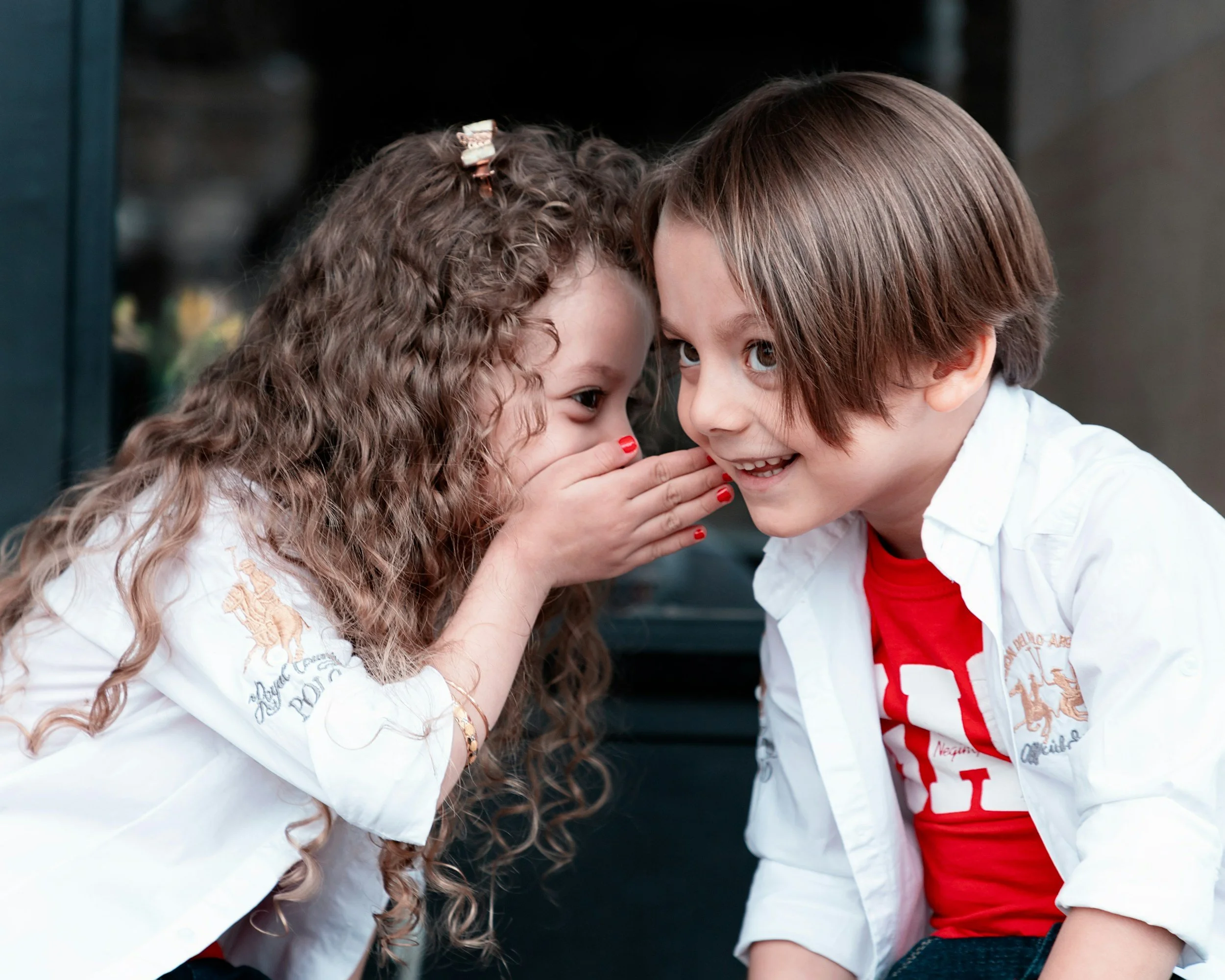
Children talking and laughing together
2 — 3 years
Sentences and conversations
Children form short sentences, ask questions, and begin engaging in simple conversations.
Child with speech challenges
When challenges appear
It affects more than words
Speech difficulties can impact friendships, learning, confidence, and emotional wellbeing.
Speech therapy session
Early intervention
The earlier, the better
Early and consistent speech therapy gives children the tools to communicate effectively.
Multidisciplinary team collaboration
Foundations First
Speech therapy as part of a team
Our speech pathologists collaborate across all six disciplines. One team, shared goals.
Every child deserves to be heard.
The outcome
The confidence to communicate
Building the foundations to express, connect, and participate in the world.
Why Speech Therapy Matters
Expressing needs
Building friendships
Learning at school
Managing emotions

Communication ripples into every part of a child's life

From a child's first words to holding a conversation with a friend, every stage of communication development plays a role in their confidence, independence, and quality of life.

When communication is hard, children often become frustrated, withdrawn, or anxious. Speech therapy gives them the tools and confidence to be heard.

Expressing themselves

Helping children find the words to share their thoughts, ask for help, and tell you when something is wrong.

Connecting with others

Supporting children to join conversations, understand social cues, and build meaningful friendships with their peers.

Succeeding at school

Following instructions, participating in class, understanding what they read, and keeping up with their peers in the classroom.

Building confidence

When a child can communicate clearly, they feel more confident, more independent, and more willing to try new things.

Inside Our Speech Therapy Sessions

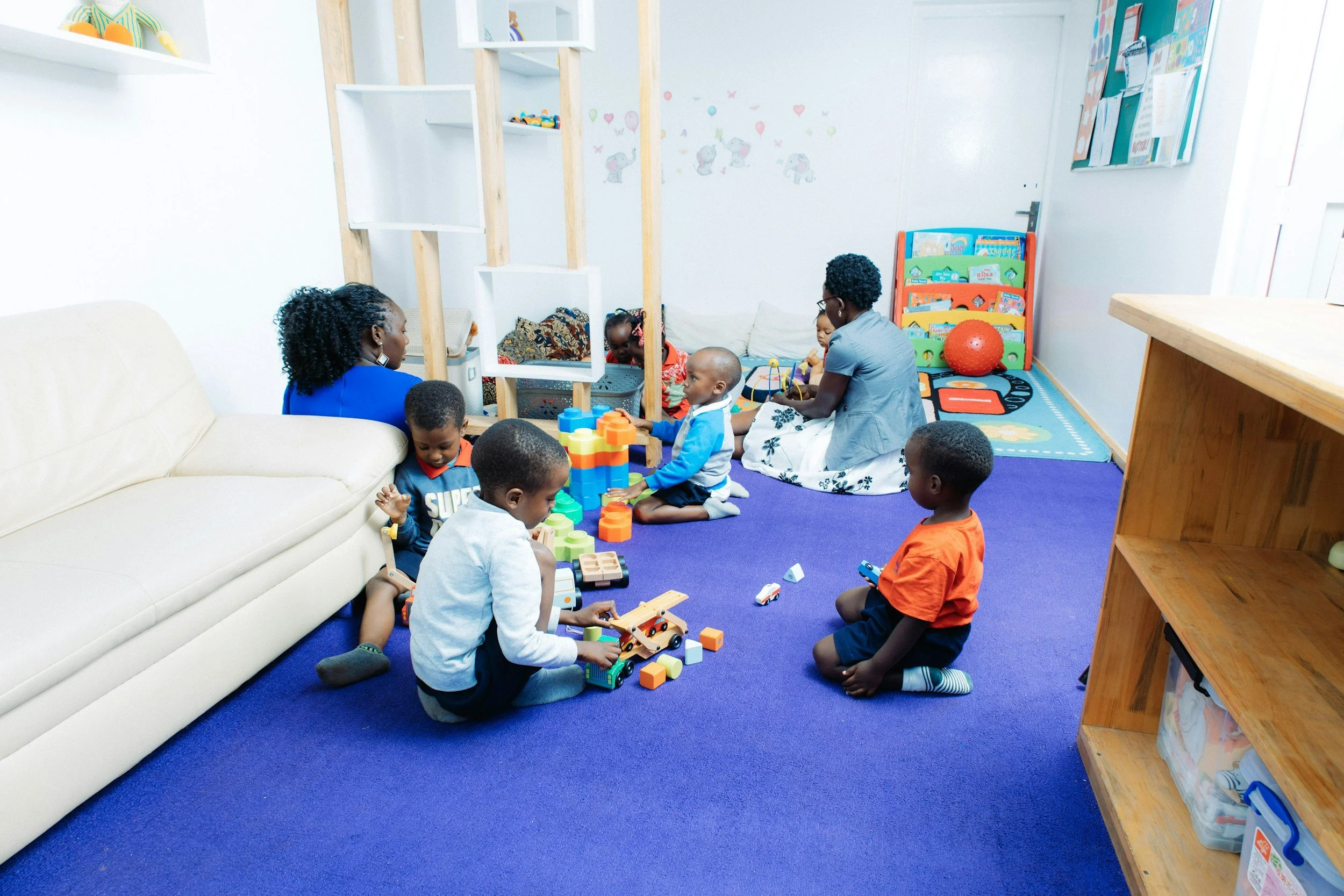
  • Play-Based Language Activities

    Play-Based Language Activities

    Interactive games, toys, and activities designed to encourage your child to use and understand language in a fun, natural way.

  • Picky Eaters vs Problem Feeders

    Articulation Practice

    Targeted exercises and games to help your child produce clear speech sounds so they can be understood by family, peers, and teachers.

  • Social Communication Skills

    Social Communication Skills

    Activities that build turn-taking, eye contact, listening, and conversation skills to help your child connect with others confidently.

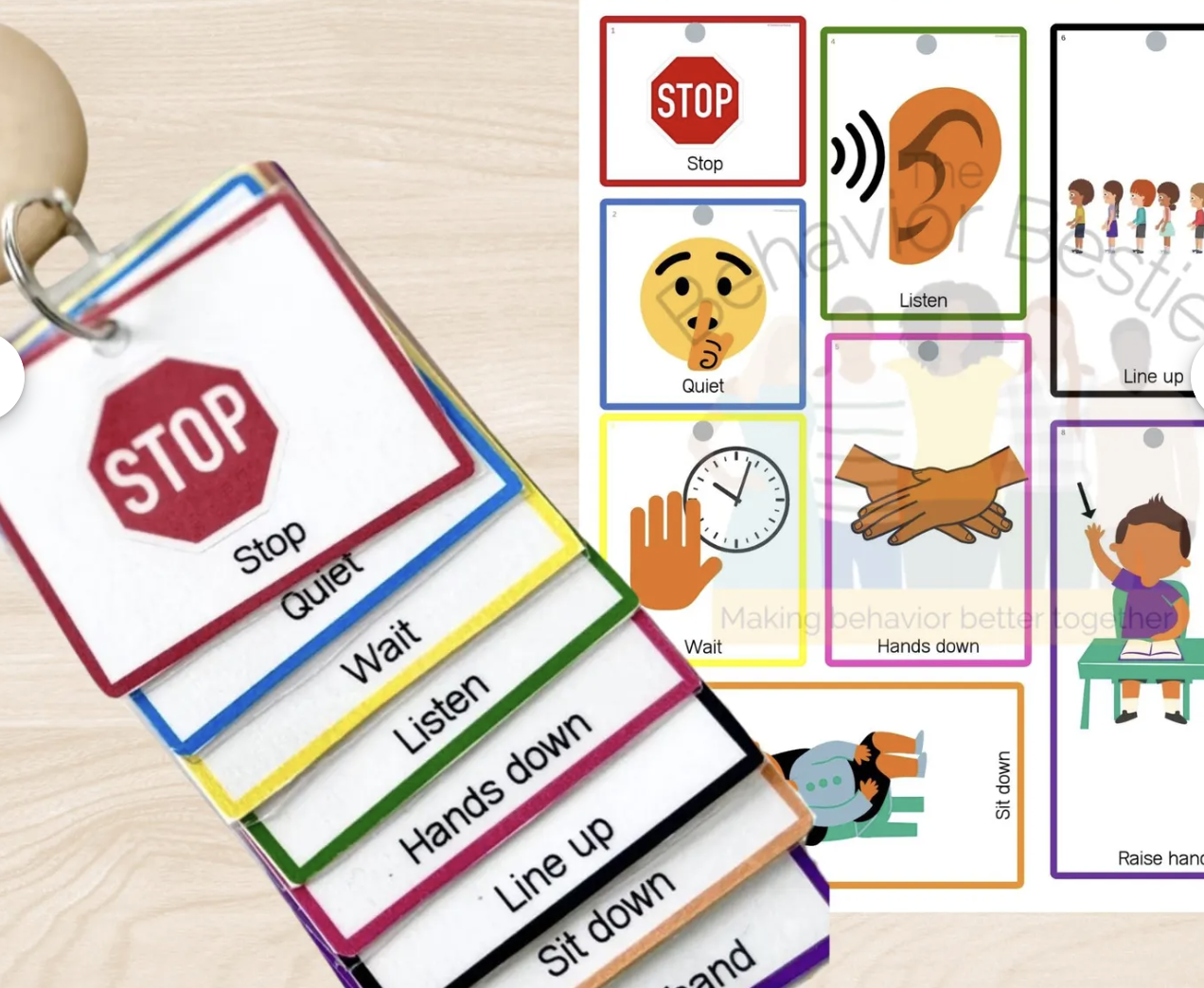
  • Visual Supports & AAC

    Introducing communication tools such as picture cards, visual schedules, and augmentative communication systems for children who need support beyond spoken language.

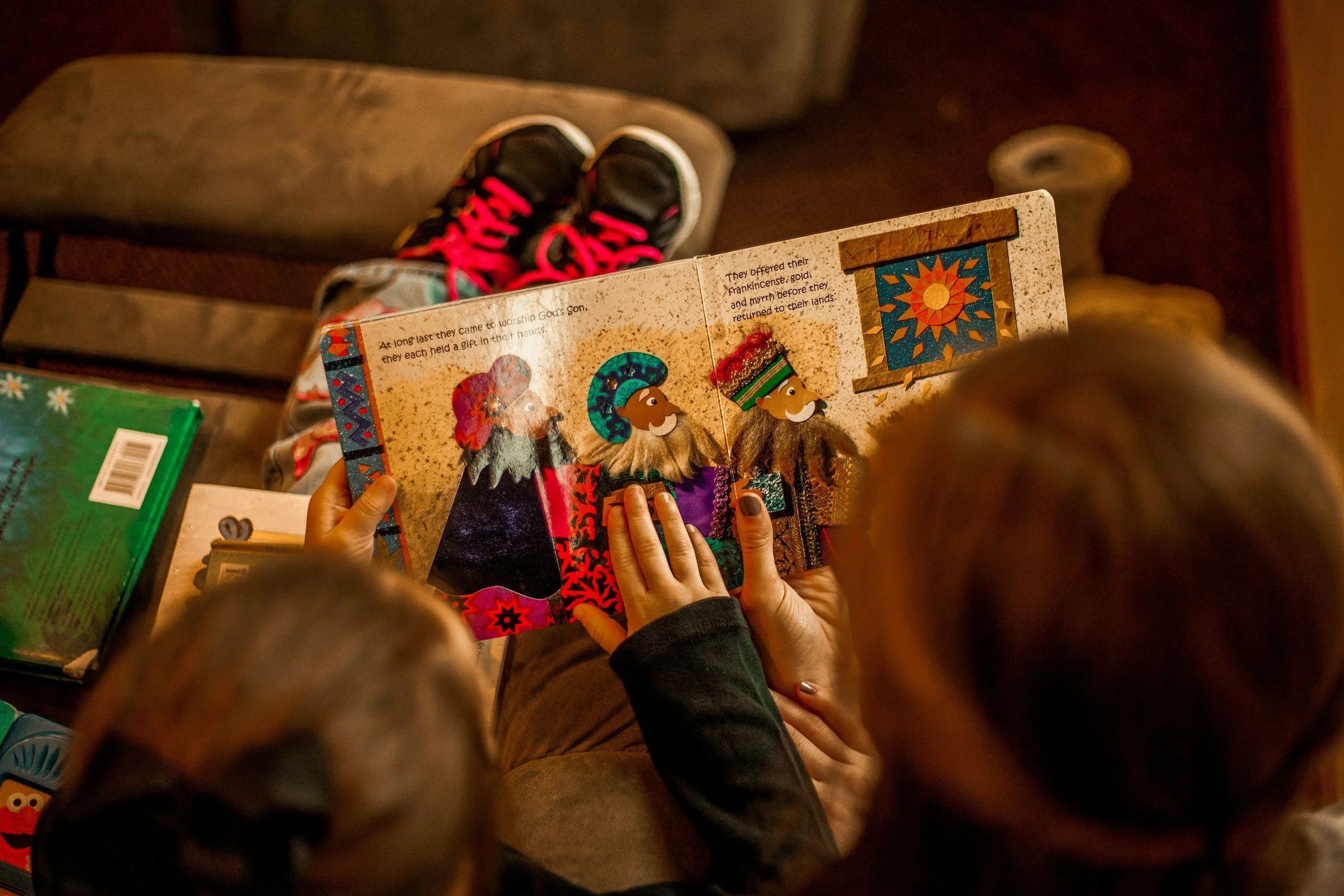
  • Story Time & Literacy

    Using books, storytelling, and narrative activities to build vocabulary, comprehension, and the ability to express ideas in sequence.

  • Parent Coaching & Home Strategies

    Equipping parents and caregivers with practical strategies and activities to support their child's communication development between sessions.

Signs to Look For - Speech
Not using words by 18 months or combining words by age two
Difficult to understand by family, friends, or teachers
Uses fewer words than expected for their age
Struggles to follow simple instructions
Becomes frustrated, withdrawn, or upset when trying to communicate
Difficulty with turn-taking, eye contact, or social interaction
Frequently repeats sounds, words, or gets stuck when speaking
Avoids talking or doesn't initiate conversation
Prefers to gesture or point rather than use words
Has difficulty answering simple questions
Struggles to tell a story or explain what happened during their day
Finds it hard to play or engage with other children
Speech is unclear compared to children the same age
Has trouble learning new words or remembering the right word
Doesn't respond to their name or familiar sounds consistently
0
Tap the signs you recognise Select any that apply to your child
Start selecting above

Signs your child may benefit

What are the goals of Speech Therapy?
Goals of Speech Therapy — Foundations First
01
Expressive Language
Helping your child develop the ability to share their thoughts, needs, and ideas through words, sentences, and conversation.
02
Receptive Language
Supporting your child to understand instructions, questions, and everyday language with confidence and accuracy.
03
Clear Speech
Working towards clear, intelligible speech so your child can be understood by everyone around them.
04
Social Communication
Building the skills to interact with others, including turn-taking, reading social cues, and engaging in meaningful conversations.
05
Confidence & Independence
Empowering your child to communicate independently across all environments, from home to school to the community.
06
Family-Centred Support
Collaborating with families to set personalised communication goals and equipping caregivers with strategies to support progress at home.