Psychology

Expert guidance to support your child’s emotional wellbeing, build coping skills, and help them navigate everyday life with greater confidence and resilience

The Importance of Psychology

The Importance of Psychology – Foundations First

Understanding the
whole child.

A child's emotional and mental wellbeing shapes how they learn, relate to others, handle challenges, and feel about themselves. Psychology gives children and families the understanding, strategies, and support they need.

Emotional wellbeing
A child's emotional and mental wellbeing shapes how they learn, relate to others, handle challenges, and feel about themselves.
Behaviour is communication
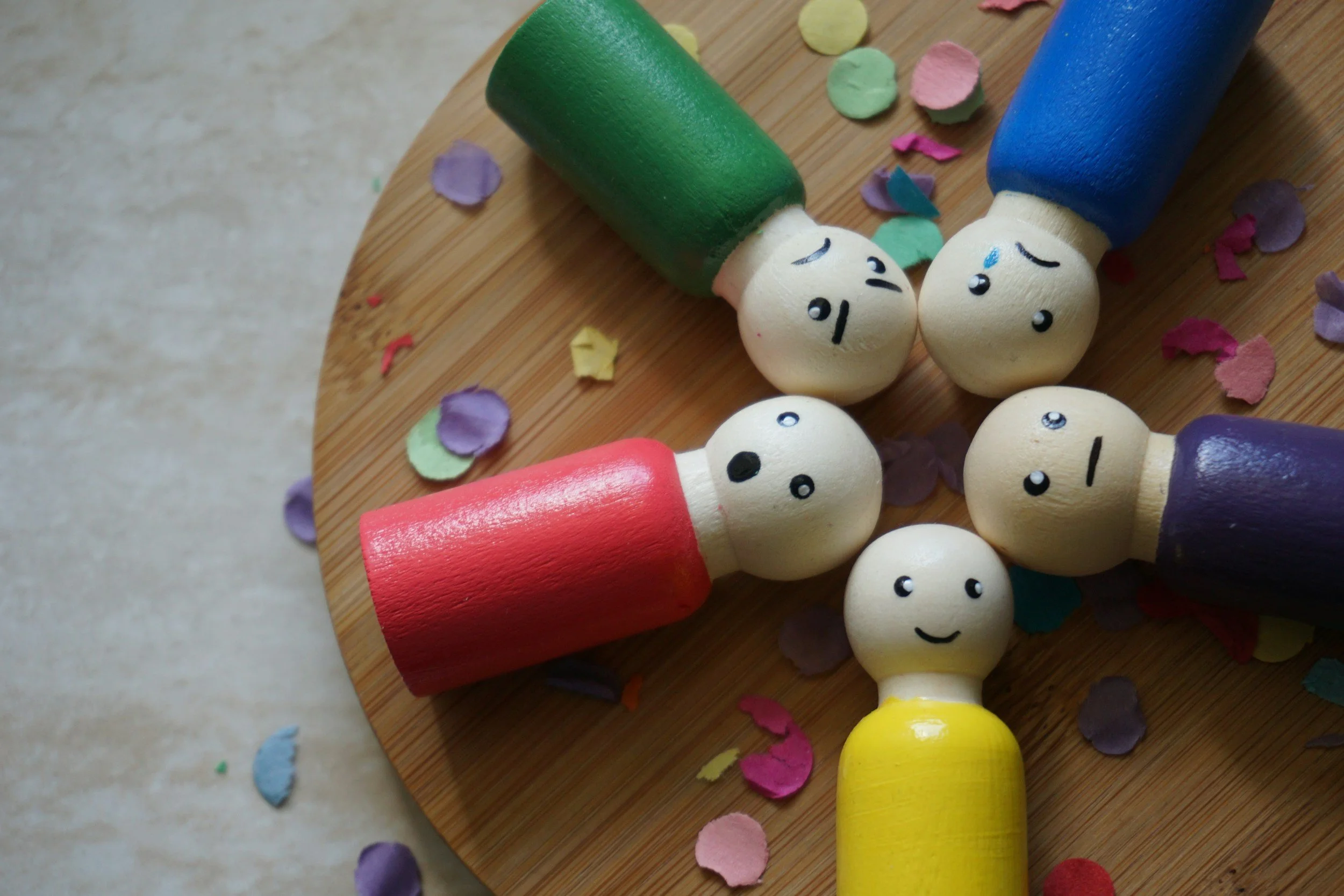
Children don't always have the words to express what they're feeling. Their emotions often show up as withdrawal, aggression, anxiety, or avoidance.
Confidence and self-esteem
When a child struggles emotionally, it ripples across their confidence, relationships, and ability to engage with the world around them.
Learning and development
Emotional difficulties can affect a child's ability to focus, engage in the classroom, and reach their developmental potential.
Early intervention matters
Without the right support, emotional and behavioural patterns can become deeply embedded and increasingly difficult to manage over time.
A team approach
Our psychologists collaborate with OTs, speech pathologists, behaviour support, nutritionists, and support workers. Because how a child feels affects everything they do.
Before and after therapy
Tap the brain to see the difference therapy can make.
Before therapy
With therapy
Tangled thoughts, overwhelming emotions, and difficulty coping with everyday challenges.
Clear thinking, emotional regulation, and the confidence to navigate life's challenges.
Anxious Overwhelmed Withdrawn Frustrated Confused Angry Scared Stuck Confident Calm Resilient Connected Understood Safe Regulated Empowered
How a child feels affects everything they do
Psychology gives children and families the understanding, strategies, and support they need to navigate emotional and behavioural challenges with confidence.

Psychology Sessions in Action

  • Play-Based Therapy

    Play-Based Therapy

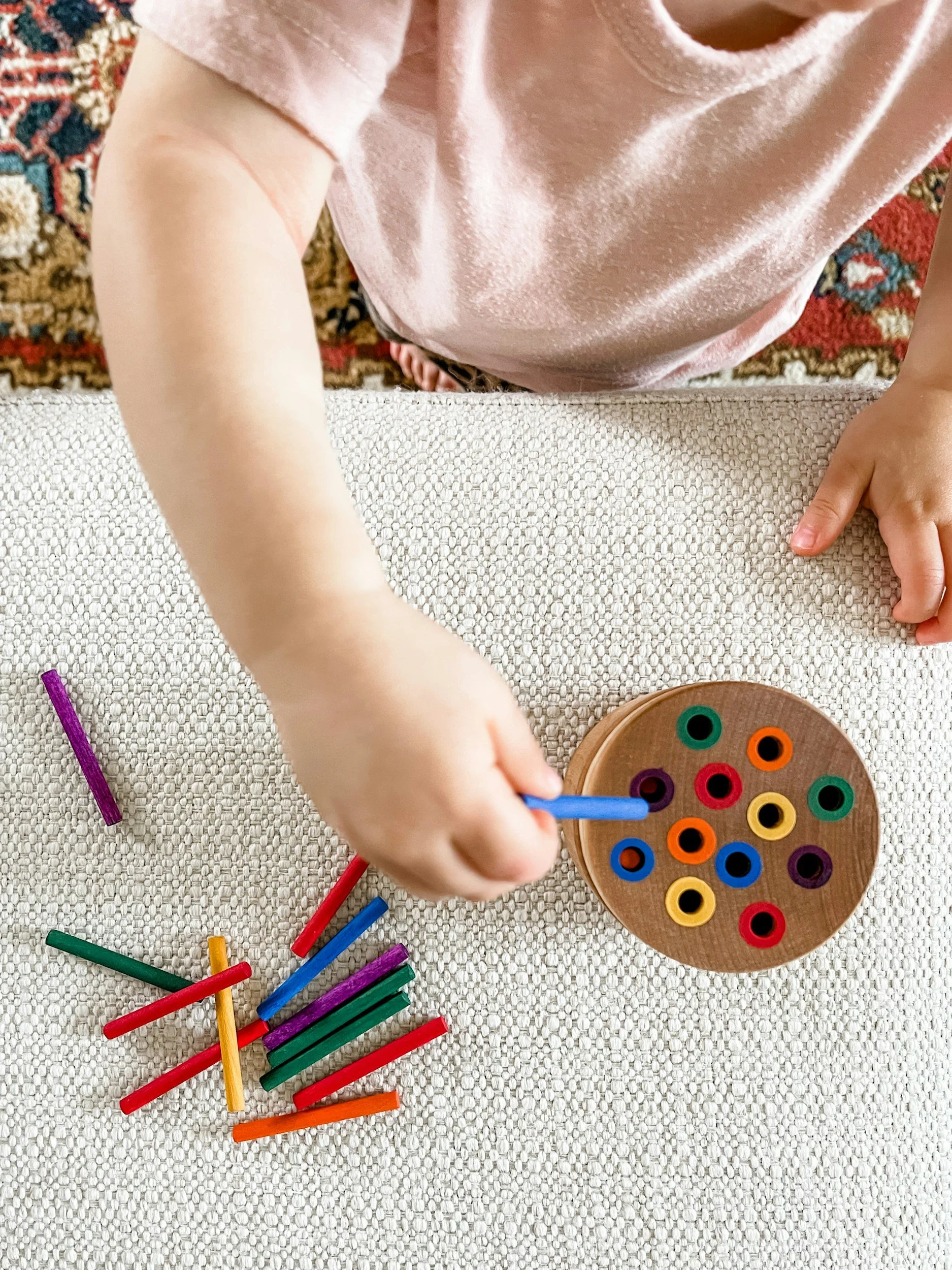
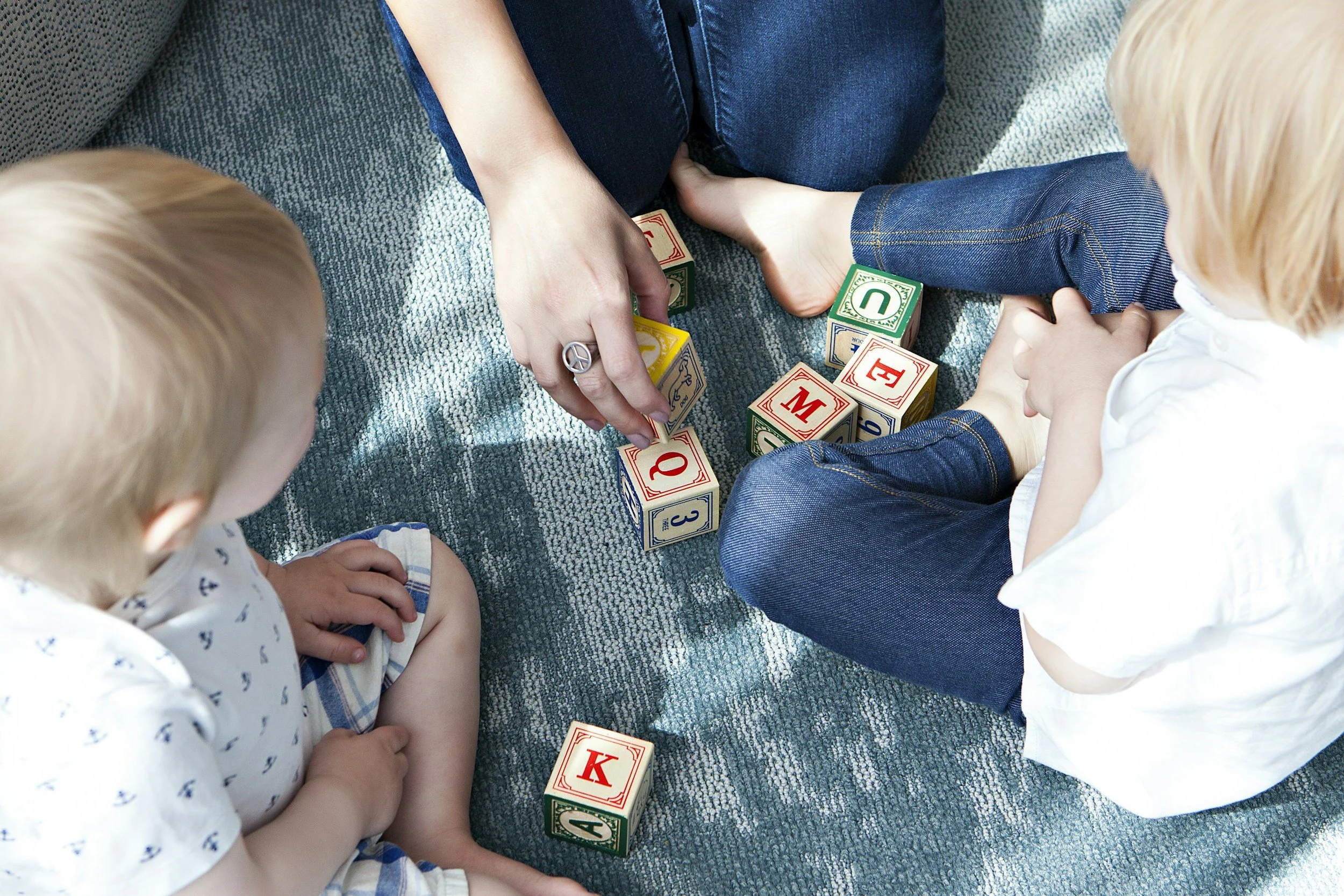
    Using toys, games, stories, and creative activities to help children explore and express their emotions in a safe, pressure-free environment.

  • Picky Eaters vs Problem Feeders

    Emotional Regulation Strategies

    Teaching children practical tools to identify, understand, and manage their emotions through breathing techniques, visual supports, and calming strategies.

  • Social Skills Development

    Social Skills Development

    Building the skills to read social cues, navigate friendships, manage conflict, and interact confidently with peers and adults.

  • Developmental Assessment

    Understanding your child's emotional, behavioural, and cognitive needs through observation and evidence-based assessment to guide targeted support.

  • Parent & Family Sessions

    Working with parents and caregivers to build understanding of their child's needs and equip the whole family with strategies that work at home.

  • Cognitive & Coping Skills

    Cognitive & Coping Skills

    Helping children develop problem-solving, flexible thinking, and healthy coping strategies to manage anxiety, worry, and everyday challenges.
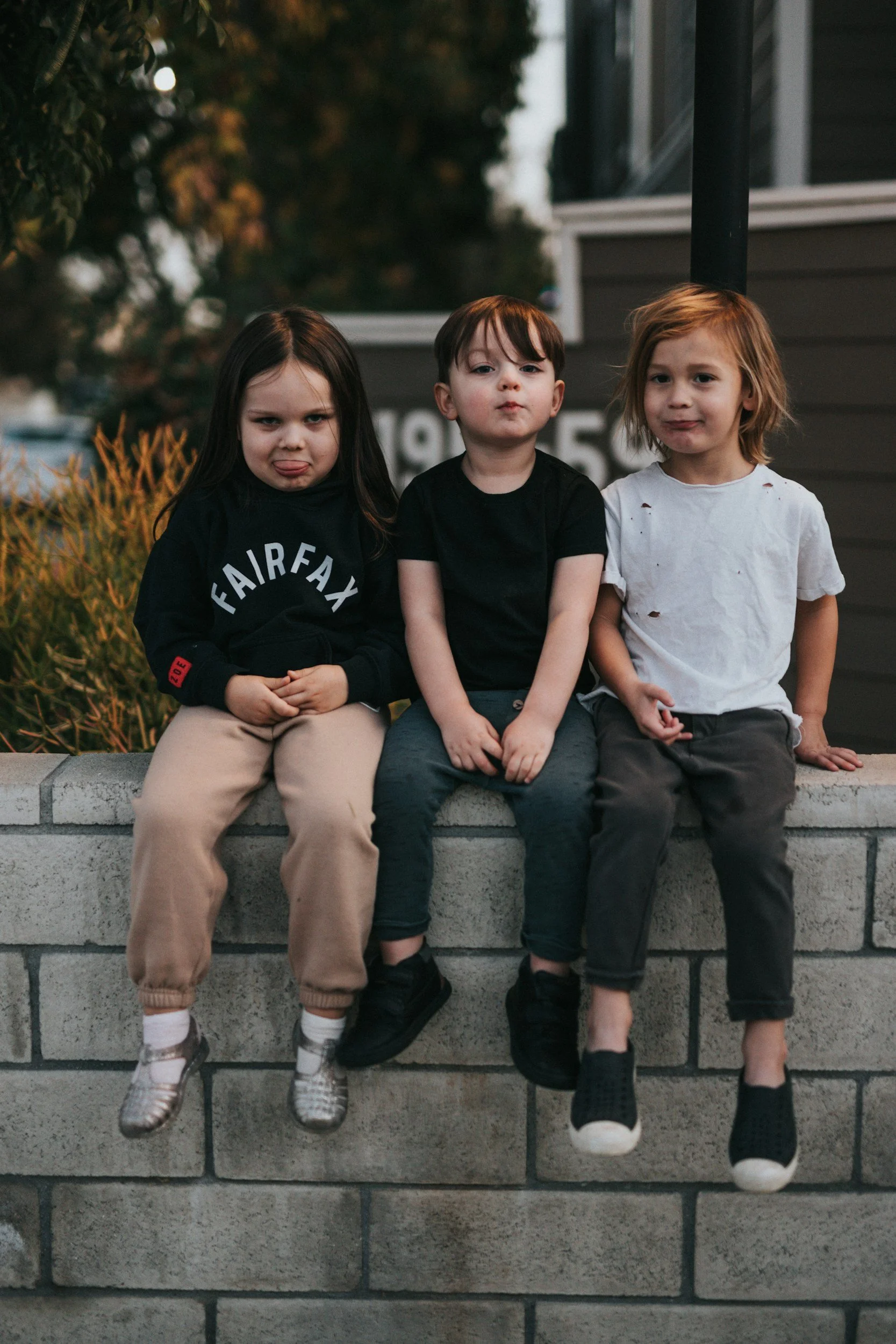
Signs Your Child May Benefit from Psychology
Emotions
Frequently anxious, worried, or fearful
Meltdowns
Frequent meltdowns that seem disproportionate to the situation
Anger
Difficulty managing big emotions like anger, frustration, or sadness
Self-esteem
Shows low self-esteem or negative self-talk
Sleep
Trouble sleeping due to worry or anxiety
Change
Difficulty coping with change or transitions
Mood
Seems sad, flat, or lost interest in things they used to enjoy
? ? ? ?
Social
Withdraws from social situations or avoids new experiences
Friendships
Struggles to make or keep friends
Behaviour
Displays aggressive or oppositional behaviour regularly
Separation
Excessively shy, clingy, or fearful of separation
School
Struggles to focus or engage at school due to emotional difficulties
Trauma
Has experienced a significant life change, loss, or trauma
Empathy
Finds it hard to understand other people's feelings or perspectives
Sound familiar?
If you recognise any of these signs, your child may benefit from psychological support. Get in touch and we can talk through your concerns.

Signs your child may benefit

Goals of Psychology
Goals of Psychology
01
Emotional regulation
Helping your child understand and manage their emotions so they can respond to challenges calmly and confidently.
02
Self-esteem & identity
Building a positive sense of self, resilience, and belief in their own abilities.
03
Social & relationship skills
Developing the skills to form friendships, navigate social situations, and connect meaningfully with others.
04
Behavioural understanding
Identifying the underlying causes of challenging behaviours and developing strategies that address the root, not just the symptoms.
05
Anxiety & wellbeing
Equipping children with tools to manage worry, fear, and stress so they can participate fully in everyday life.
06
Family-centred support
Empowering parents and families with the understanding and strategies to support their child's emotional development at home.
01
Emotional regulation
Helping your child understand and manage their emotions so they can respond to challenges calmly and confidently.
02
Self-esteem & identity
Building a positive sense of self, resilience, and belief in their own abilities.
03
Social & relationship skills
Developing the skills to form friendships, navigate social situations, and connect meaningfully with others.
04
Behavioural understanding
Identifying the underlying causes of challenging behaviours and developing strategies that address the root, not just the symptoms.
05
Anxiety & wellbeing
Equipping children with tools to manage worry, fear, and stress so they can participate fully in everyday life.
06
Family-centred support
Empowering parents and families with the understanding and strategies to support their child's emotional development at home.