
How It Works
What to expect when you get in touch
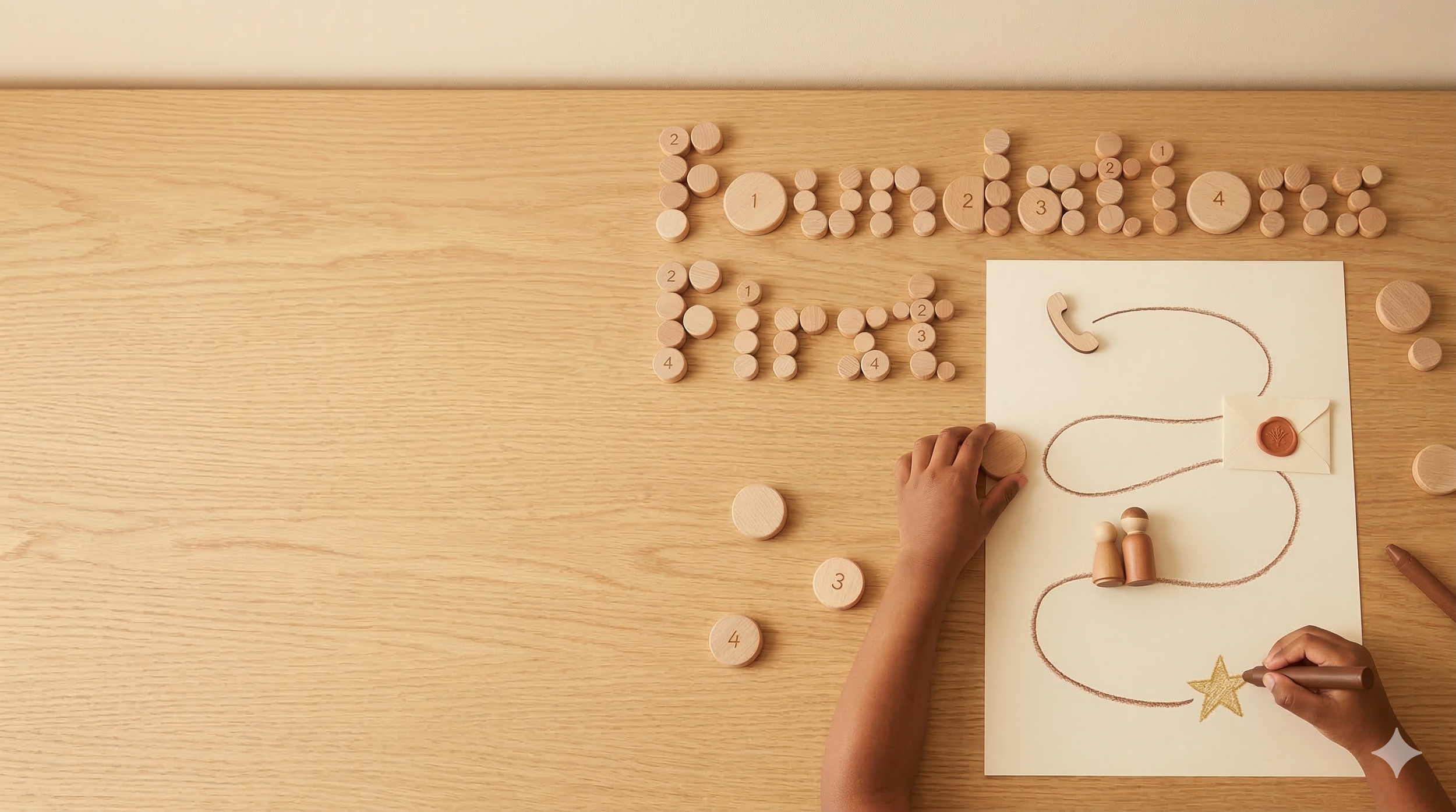
From your first call to your child's first session and beyond, here's exactly how it works. No surprises, no waitlist, no stress.
Send us a message, email, or give us a call. No referral needed. We accept self-managed and plan-managed NDIS, as well as private clients.
We'll learn about your child, answer your questions, and help you understand your funding options. No obligation, just a friendly conversation.
One agreement covers every discipline your child needs. Clear pricing, no hidden fees, and easy digital signing.
We come to you, at home, school, or in the community. Your child's therapist will build rapport, assess their needs, and set goals with your family.
Regular sessions, progress reviews, and therapists who communicate across disciplines. You'll always know how your child is tracking.
We make it easy for families
We know navigating therapy and NDIS can feel overwhelming. That's why we keep things simple.
No waitlist
Most families start within one to two weeks of their first call.
One agreement
No juggling multiple providers. One team, one service agreement, one point of contact.
Family centred
You know your child best. We build goals together and keep you involved every step of the way.
Fun facts about allied health
A few things you might not know about the therapy services your child could benefit from.
Children can take 15 to 20 exposures to a new food before they'll try it
That's not fussy, that's normal. The SOS approach works with this by building comfort through gradual steps like looking, touching, smelling, and tasting.
By age 2, most children can say around 50 words
If your child isn't hitting this milestone, early speech therapy can make a huge difference. The earlier you start, the better the outcomes.
Handwriting difficulties affect up to 27% of school aged children
Occupational therapists don't just work on handwriting though. They help with everything from getting dressed to managing emotions in the classroom.
Behaviour is communication
When a child is acting out, they're often telling you something they can't put into words. Positive Behaviour Support helps decode what's underneath and build better strategies.
1 in 7 Australian children experience a mental health condition
Early intervention from a psychologist can change the trajectory. Play based therapy helps young children process big feelings in a safe way.
Children learn best in their natural environment
Research shows therapy delivered at home or school leads to better skill transfer. That's why we come to you instead of asking you to come to a clinic.
90% of brain development happens before age 5
That's why early intervention is so powerful. The earlier therapy starts, the more your child's brain can adapt and build new pathways for learning.
Multi-disciplinary care leads to better outcomes
When therapists from different disciplines work together and share information, children make faster and more consistent progress than seeing providers in isolation.
Play is a child's most natural form of learning
Almost all paediatric therapy is play based. It might look like fun and games, but every activity is carefully designed to target specific developmental goals.
You don't need a GP referral to access allied health under NDIS
If your child has an active NDIS plan, you can access therapy services directly. No referral, no waiting for approval, just get started.